Mithila Culture of the ancient and most colorful cultures in India is that of Mithila, which is steeped in art and spirituality. It is situated in the north of the state of Bihar and some areas in Nepal. Mithila is famed for its festivals, rich tradition, and renowned Madhubani paintings. The religious significance of Sitamarhi, which is said to be the birthplace of Sita, enhances its importance.
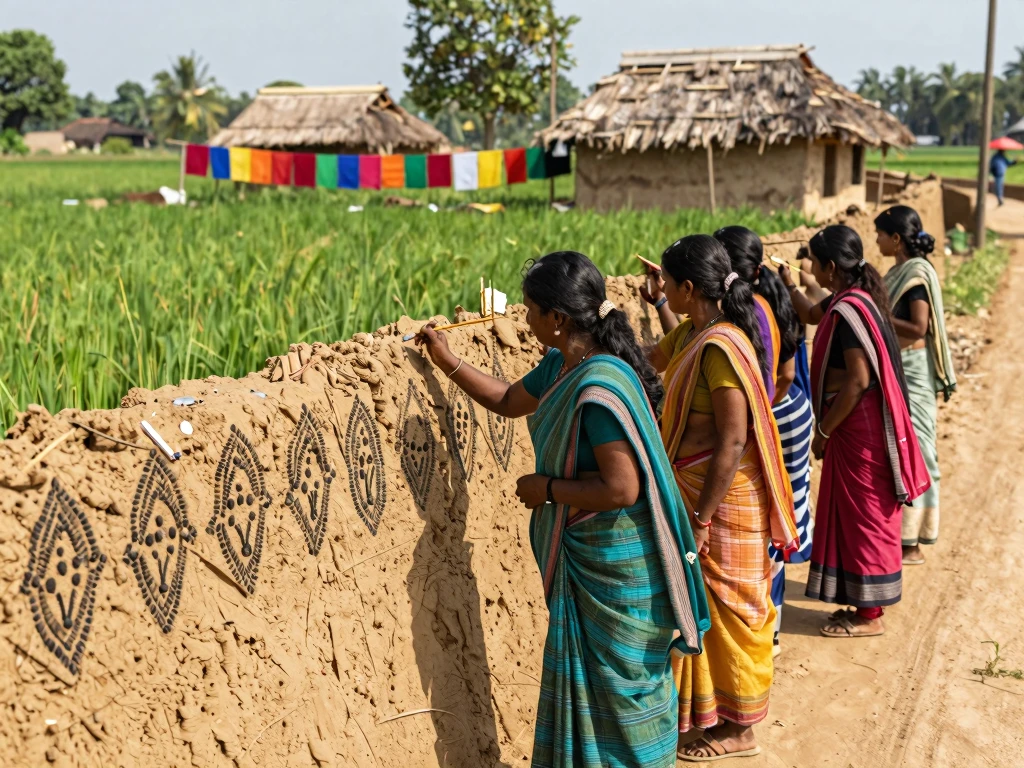
What is Mithila Culture?
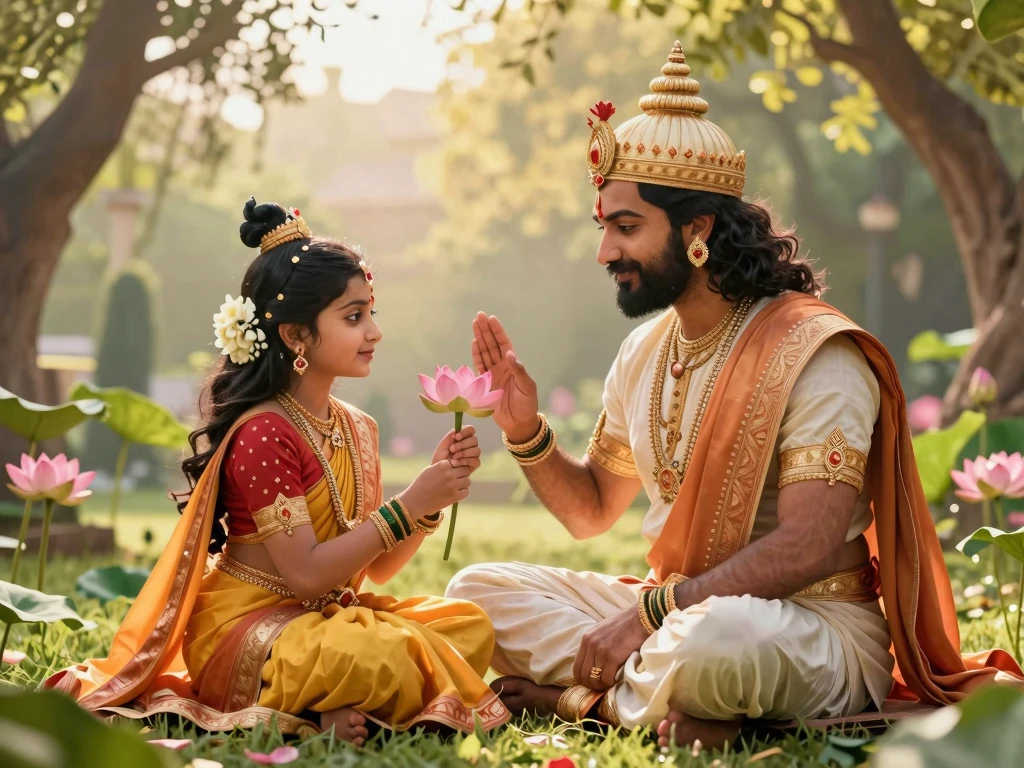
Culture of Mithila means the way of living, traditions, arts, and beliefs that prevail among the people of Mithila. This unique culture of Mithila has developed over centuries and is rich in historical as well as spiritual significance. The area is known as the birthplace of King Janaka and his daughter Sita, adding significant importance to this place in terms of Indian mythology.
Language, folklores, and religion play a very important role in the sustenance of this culture. Even today, the people of Mithila practice the same traditions as prevailed in times gone by.
Madhubani Painting – The Cultural Identity of Mithila
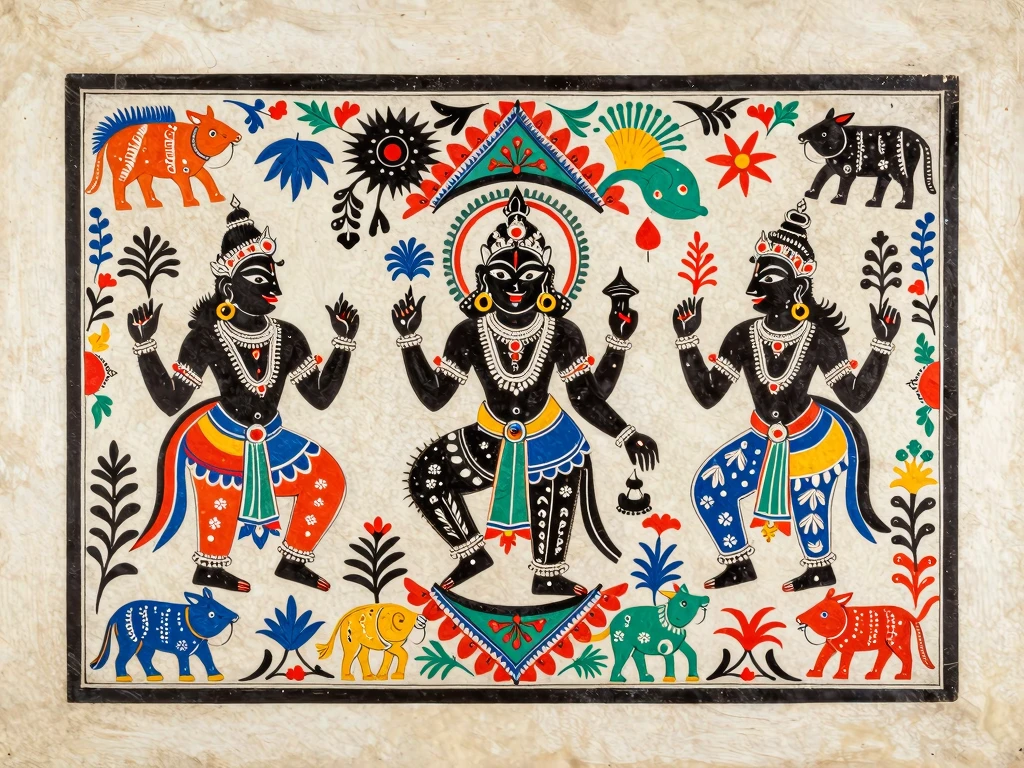
One of the most popular cultural features of Mithila is Madhubani Painting. It is a popular traditional art form recognized around the world because of its unique features.
Characteristics of Madhubani Painting
- Use of natural colors and natural tools
- Themes related to mythological, nature-related, and social topics
- Decorative design with symbolic meanings
Madhubani painting is more than an art form; it is a cultural manifestation of Mithila.
Spiritual Importance of Mithila
Mithila is highly revered in the religious traditions of Hinduism. It is regarded as the birthplace of Sita, who was brought up there. Sitamarhi’s holy places draw millions of people every year.
The doctrines and virtues that Sita personifies, such as devotion, tolerance, and resilience, still shape the culture of Mithila. The importance of religion and the worship of deities in Mithila can be seen in their daily activities.
Festivals of Mithila Culture
Mithila also holds a high place in terms of religion in Hinduism. It is considered to be the birthplace and childhood home of Goddess Sita. There are many holy sites in Sitamarhi that attract tourists from across India.
The virtues of Sita, like devotion, patience, and strength, still have a significant impact on the culture of Mithila. Religious ceremonies, pilgrimages to temples, and festivals form an integral part of the culture.
Chhath Puja
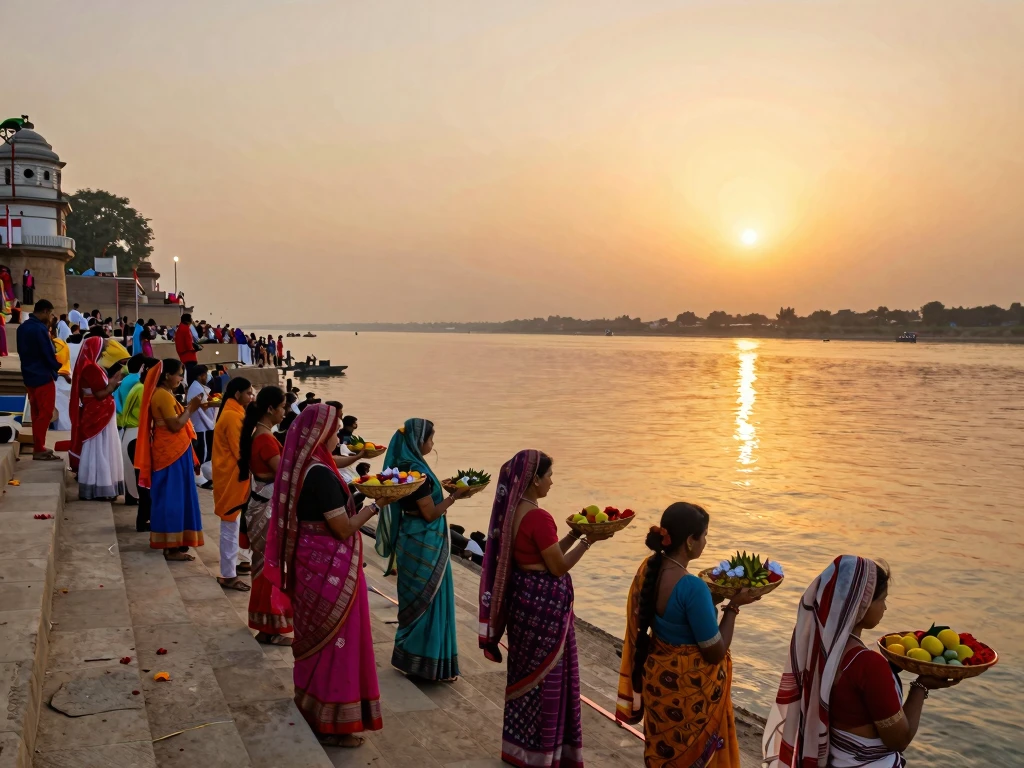
An important festival devoted to worshiping the Sun God and known for its rigorous practices.
Vivah Panchami
Marks the divine wedding ceremony of Lord Rama and Goddess Sita.
Sama-Chakeva
This is a traditional festival celebrating the relationship between
Lifestyle and Cultural Values
The lifestyle of Mithila is rooted in its rich culture and tradition. The lifestyle follows an easy-going pattern with the following elements:
- Joint family structure
- Reverence for the elderly
- Women’s role in cultural conservation
The Maithili language, folk music, and storytelling are some of the aspects through which culture is transferred from one generation to another.
Importance of Mithila Culture in Modern Times
Even in today’s contemporary society, Mithila culture still carries weight. This is because it is useful for:
- Preserving traditions of art and culture.
- Cultural tourism.
- The local economy and artists.
The international fame of Madhubani painting and spiritual tourism have put Mithila culture on the map.
Conclusion
Mithila Culture is an outstanding representation of art and spirituality in day-to-day life. The artistic beauty of Madhubani Painting and the religious devotion of Sita exemplify the Indian way of culture. With deep roots and rich heritage, Mithila culture remains an embodiment of uniqueness. It is necessary to save this rich culture from extinction so that it can carry on its rich heritage for future generations.
Pingback: Mithila Painting: The Ancient Folk Art That Is Winning Hearts Across the World